



Secure Autonomous AI Systems with Confidence
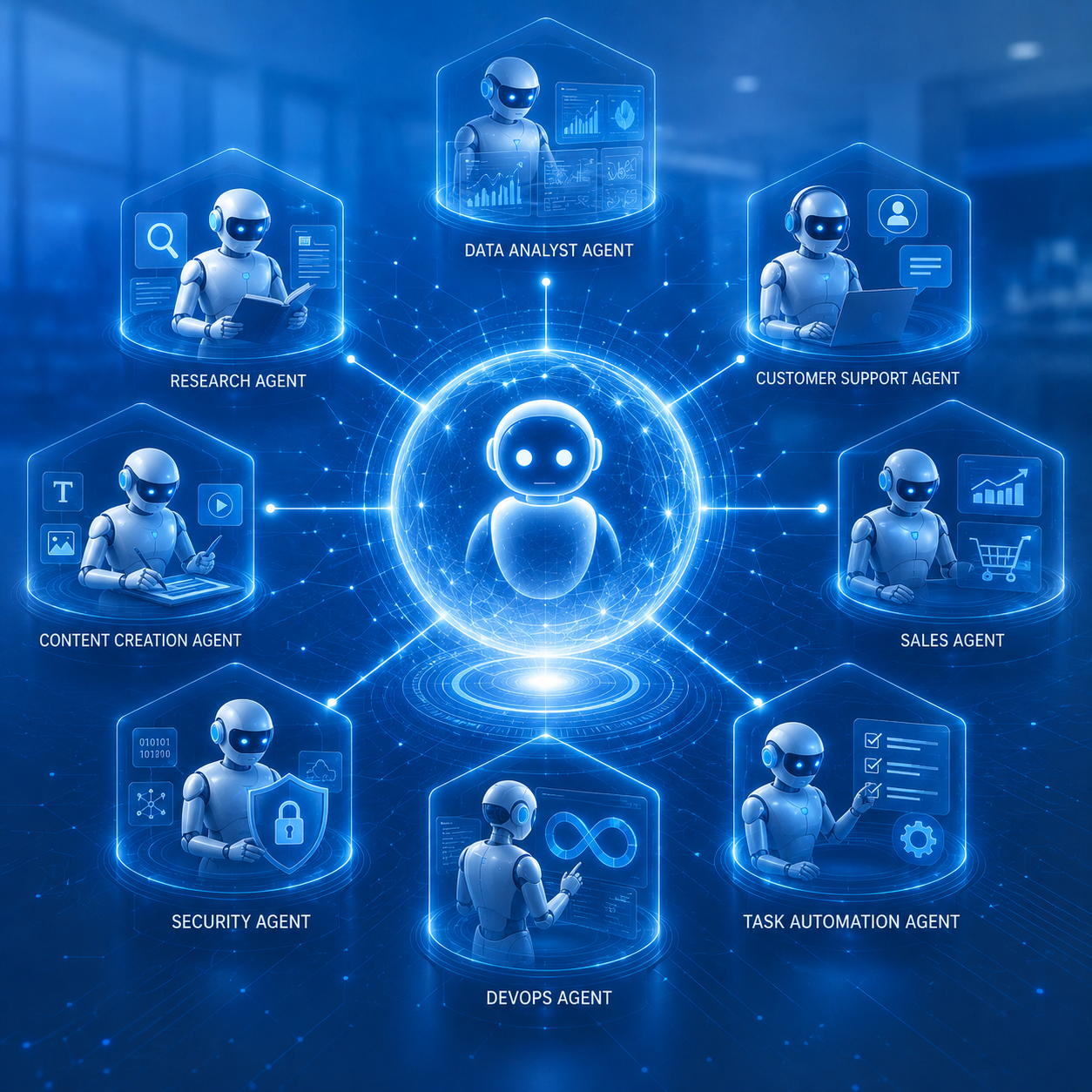
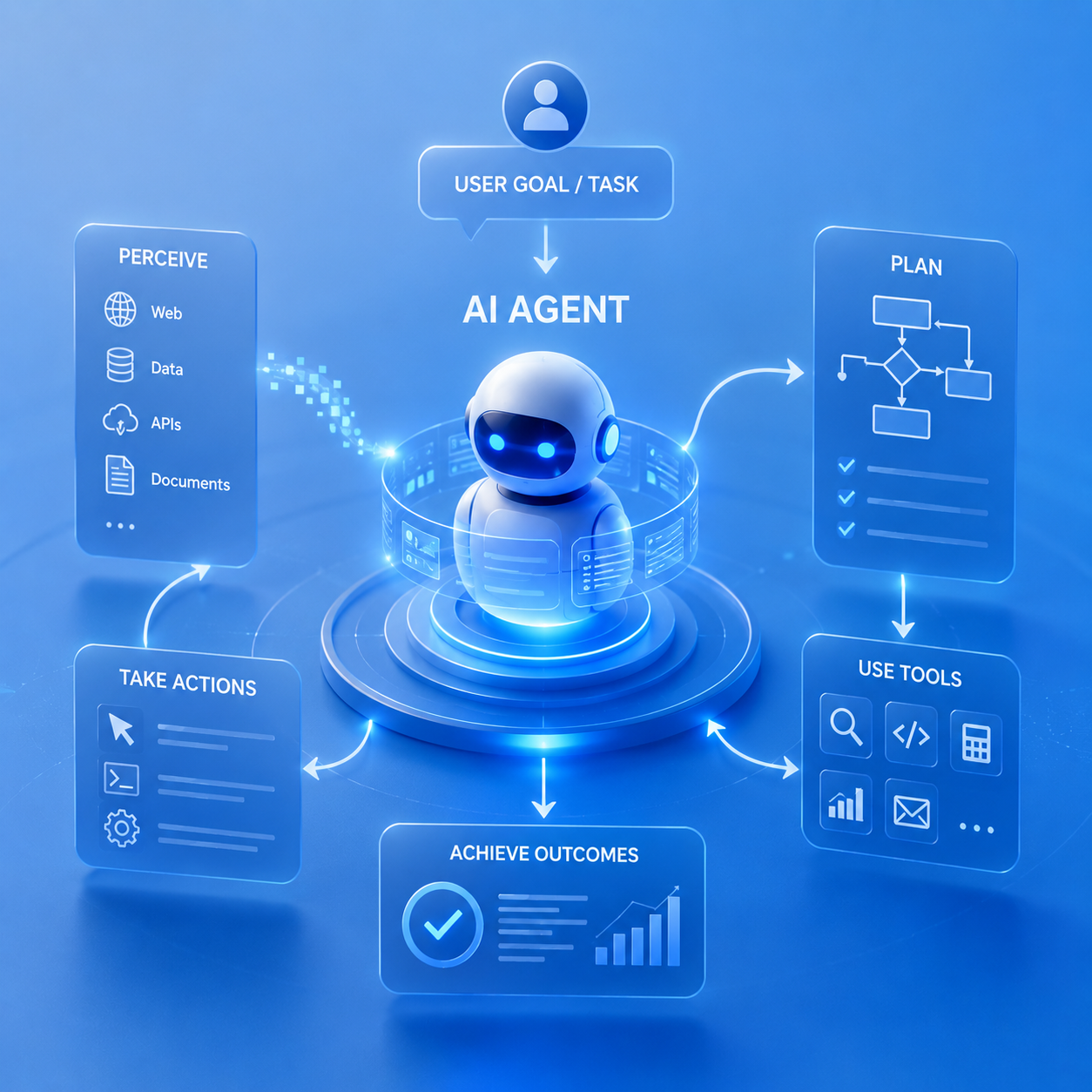
Agentic AI systems can make decisions, plan multi-step actions, use external tools, access enterprise data, communicate with other AI agents, and perform tasks with minimal human intervention. While these capabilities unlock significant business value, they also introduce new security risks that traditional cybersecurity assessments cannot adequately address.
Maryvelle provides comprehensive Agentic AI Security services to help organizations identify vulnerabilities, strengthen security controls, and reduce operational risk before autonomous AI systems are deployed into production.
What We Offer
Our Agentic AI Security service evaluates the complete security posture of autonomous AI applications, AI assistants, AI agents, and multi-agent systems. We assess how AI agents interact with users, enterprise data, APIs, third-party services, external tools, memory, and other AI agents to identify weaknesses that could lead to unauthorized actions, sensitive data exposure, or business disruption.
Our assessments combine manual security expertise with advanced AI security testing methodologies to evaluate real-world attack scenarios and provide practical recommendations for improving resilience.

Our Assessment Includes
Security Risks We Help Identify
Our assessments help organizations identify risks including:
- Unauthorized autonomous actions
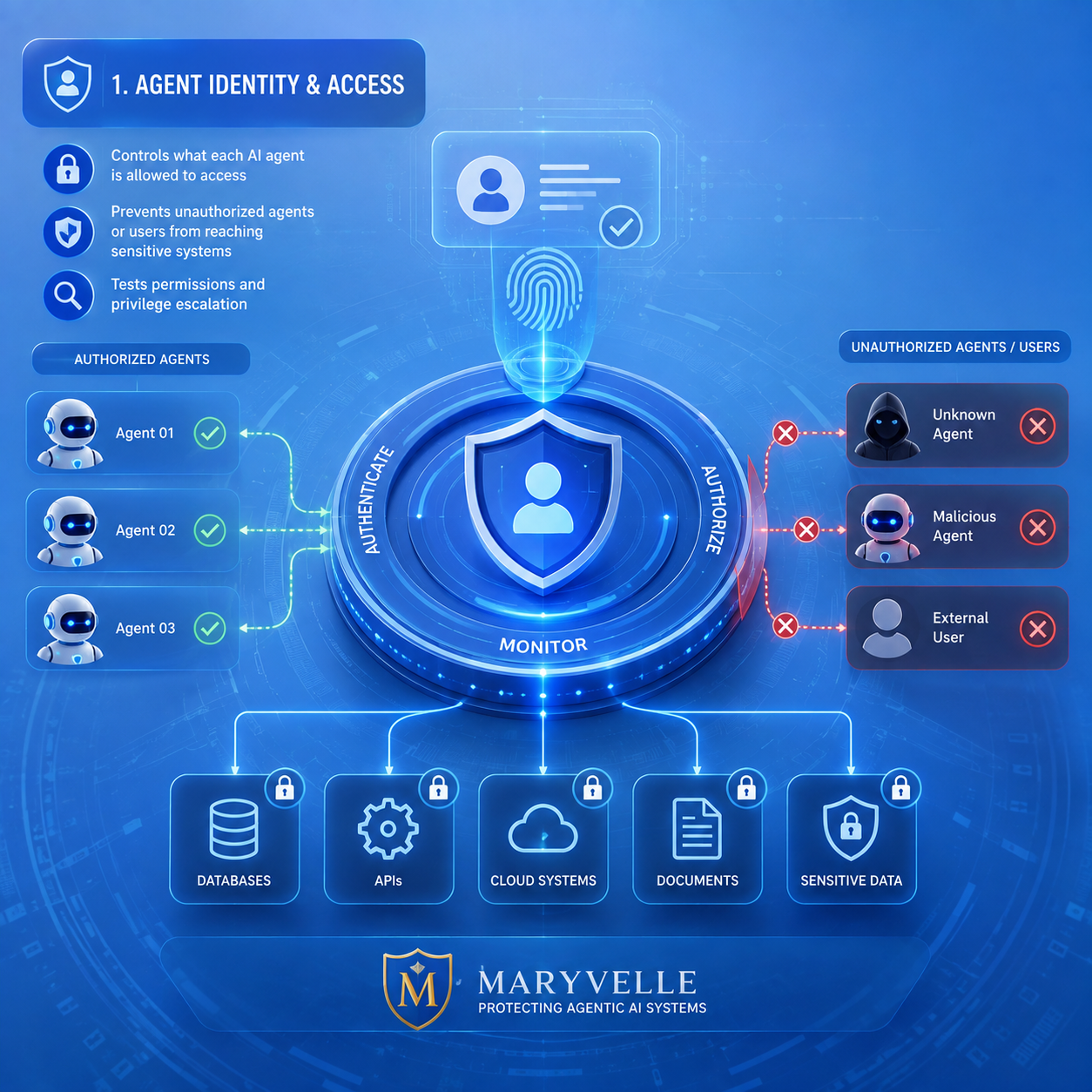
- Excessive agent permissions
- Prompt injection attacks
- Tool misuse and abuse
- API security weaknesses
- Sensitive data exposure
- Memory poisoning
- Credential leakage
- Cross-agent manipulation
- Privilege escalation
- Unsafe autonomous decision-making
- Insecure third-party integrations
- Business logic abuse
- Policy bypass
- Insufficient monitoring and auditability
Deliverables
Following the assessment, clients receive a comprehensive report that includes:
- Executive summary
- Technical findings with risk ratings
- Detailed description of identified vulnerabilities
- Business impact analysis
- Proof-of-concept findings where appropriate
- Prioritized remediation recommendations
- Best practice guidance
- Security improvement roadmap
- Executive presentation suitable for stakeholders

Pricing
FOUNDATION
From $8,500
For organizations assessing a single AI agent or limited agentic workflow.
- Agent architecture & behavior assessment
- Permission and privilege review
- Prompt injection resistance testing
- Tool and API security review
- Data access control assessment
- Guardrail & policy validation
- Basic memory security review
- Risk-rated security findings
- Executive summary
- Prioritized remediation recommendations
- Security improvement roadmap
ADVANCED
From $12,500
For organizations operating business-critical AI agents with multiple integrations.
- Everything in Foundation
- Comprehensive agent behavior testing
- Advanced prompt injection testing
- Tool & API abuse scenarios
- Identity & authentication review
- Memory poisoning and manipulation testing
- Autonomous decision security assessment
- Logging & monitoring assessment
- Sensitive data exposure testing
- Business logic and privilege escalation scenarios
- Proof-of-concept findings where appropriate
- Detailed technical security report
- Executive presentation
- Remediation roadmap
ENTERPRISE
From $20,000
For enterprises deploying complex autonomous or multi-agent environments.
- Everything in Advanced
- Multi-agent security assessment
- Cross-agent trust and delegation testing
- Complex attack-path simulation
- Enterprise data access assessment
- Advanced identity and credential security review
- Third-party integration security assessment
- Autonomous action and approval workflow testing
- Human oversight and emergency control assessment
- Advanced guardrail bypass testing
- Comprehensive attack-chain analysis
- Executive-level risk assessment
- Detailed remediation strategy
- Executive security briefing
- Retesting of critical findings
CUSTOM / HIGH-RISK ENVIRONMENTS
From $38,000+
For large-scale Agentic AI environments, highly regulated organizations, critical business systems, multi-agent architectures, or assessments requiring extensive attack simulation and multiple testing phases.
Scope and pricing are determined following a confidential technical assessment.
Continuous Agentic AI Security
From $4,000 / month
For organizations that require ongoing security validation after the initial assessment.
- Continuous AI agent security testing
- Periodic adversarial testing
- New attack scenario evaluation
- Prompt injection monitoring
- Tool and integration security validation
- Security control validation
- Critical vulnerability reassessment
- Ongoing security recommendations
- Monthly security reporting
All pricing is starting from and depends on the scope, complexity, number of AI agents, integrations, environments, testing depth, and required engagement duration.